Mixed Feelings
Literary Hispanophilia and Hispanophobia in England and the Netherlands in the Early Modern period and in the nineteenth century
National characterizations can endure for centuries. In Early Modern Europe, the Spaniards were the most hated nation. Their reputation was tainted by a Black Legend of Spanish cruelty and lust for power. This anti-hispanism is considered central to the process of European proto-national identity formation. It shaped the cultural and political self-definition of both the Netherlands and England, two nations with overlapping histories regarding Spain. However, this hispanophobia did not exclude an undeniable fascination with Golden Age Spanish culture, most visible within the field of literature.
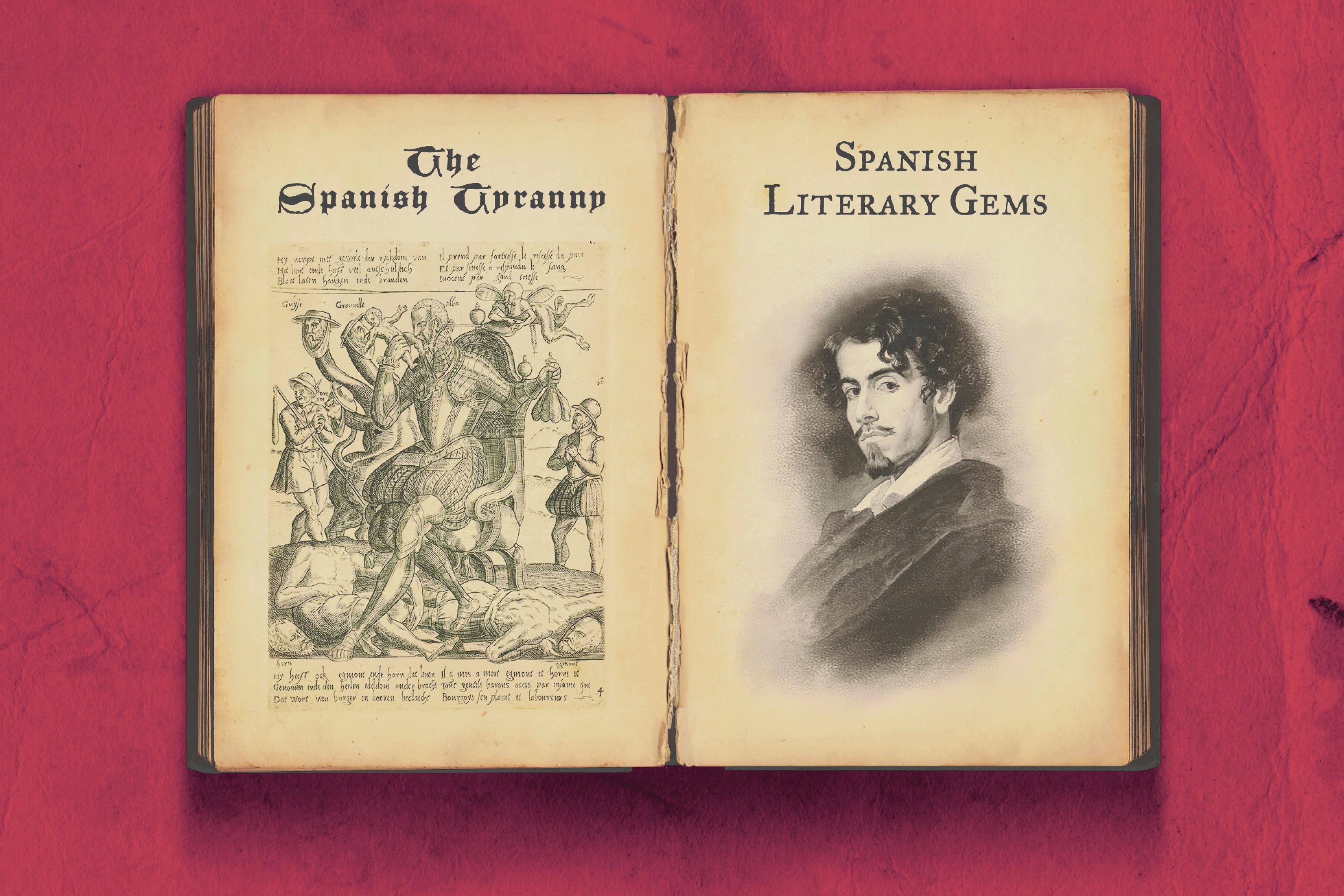
This project problematizes the European paradigm shift around 1800, when after centuries of predominant hispanophobia, a discourse of romantic hispanophilia materialized. The Duke of Alba and the Spanish Armada made way for Carmen and Don Juan. This project demonstrates how the two narratives of literary hispanophobia and hispanophilia co-existed in the Early Modern period and re-emerged in the nineteenth century, when national identities and literary canons consolidated the Golden Age as the key period in the national-historical consciousness.
This project breaks new ground in four ways:
- It studies the dynamics of aversion/fascination for a dominant foreign culture across time;
- it links these dynamics to narratives of nationhood using a comparative perspective;
- it methodologically bridges the fields of Imagology, Translation Studies and Cultural Transfer;
- it connects the process of proto-national constructions with the formation of modern nationalism by combining Early Modern research with research into the nineteenth century.
This project is funded by NWO-VIDI Vernieuwingsimpuls 2014 (276-30-011) (Funding period: 1-11-2015 until 01-09-2021).