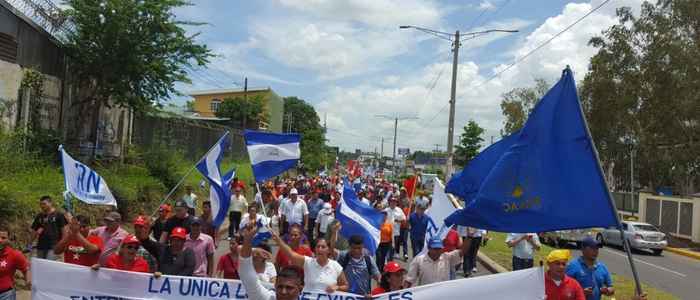
The cluster examines not only the contemporary manifestations and afterlives of conflict but also the broader social, political, and spatial processes that produce exclusion, marginalisation, and unequal power relations. Particular attention is paid to the ways in which individuals and communities experience, negotiate, and contest these conditions in their everyday lives. Social justice serves as a lens through which projects investigate the mechanisms that generate social and political conflict, inequality, and differentiated forms of resistance. Drawing on diverse disciplinary perspectives and methodologies from the social sciences, humanities, arts, and legal studies the cluster shares a concern for how people, institutions, and social movements respond to injustice and envision alternative futures. This includes research on migration, borders, militaries, citizenship, gender and ethno-racial inequalities, urban transformations, memory, heritage, and practices of resistance, solidarity, and social change at local, regional, and transnational scales.